
Tag: IT services

The New Utility Layer: How IT Services Became as Critical as Electricity
A century ago, electricity transformed how businesses operated. Today, something just as fundamental runs beneath the surface of every modern organization: IT services. From cloud access to cybersecurity, technology quietly powers daily operations, just as electricity lights offices and runs machinery. When it works, no one notices. When it fails, everything stops. That shift has turned IT from a background function into a true utility layer for business.
Always On, Always Expected
Electricity is assumed to be available at all times, and IT now carries that same expectation. Employees log in from anywhere, customers expect instant responses, and systems are designed to run 24/7. Downtime is no longer a minor inconvenience—it can halt revenue, damage trust, and create long-term operational problems. As a result, businesses now measure IT reliability with the same seriousness they apply to power and water.
IT Infrastructure as the Modern Power Grid
Just like the electrical grid, IT infrastructure is complex, interconnected, and mostly invisible until something goes wrong. Networks, servers, cloud platforms, and endpoints must all work together seamlessly. Many organizations rely on CTI Technology’s managed IT services to help maintain that digital grid, ensuring systems stay stable, secure, and scalable as demand grows. The goal isn’t flashy innovation every day—it’s dependable performance that keeps the business running without interruption.
Security Became Part of the Utility
Electricity comes with safety standards, and IT utilities now require the same mindset. Cybersecurity is no longer optional or occasional; it’s baked into daily operations. Firewalls, monitoring tools, and access controls function like circuit breakers, constantly preventing damage before it spreads. As threats increase and regulations tighten, businesses treat security as a built-in service rather than a one-time investment.
The Shift From Projects to Services
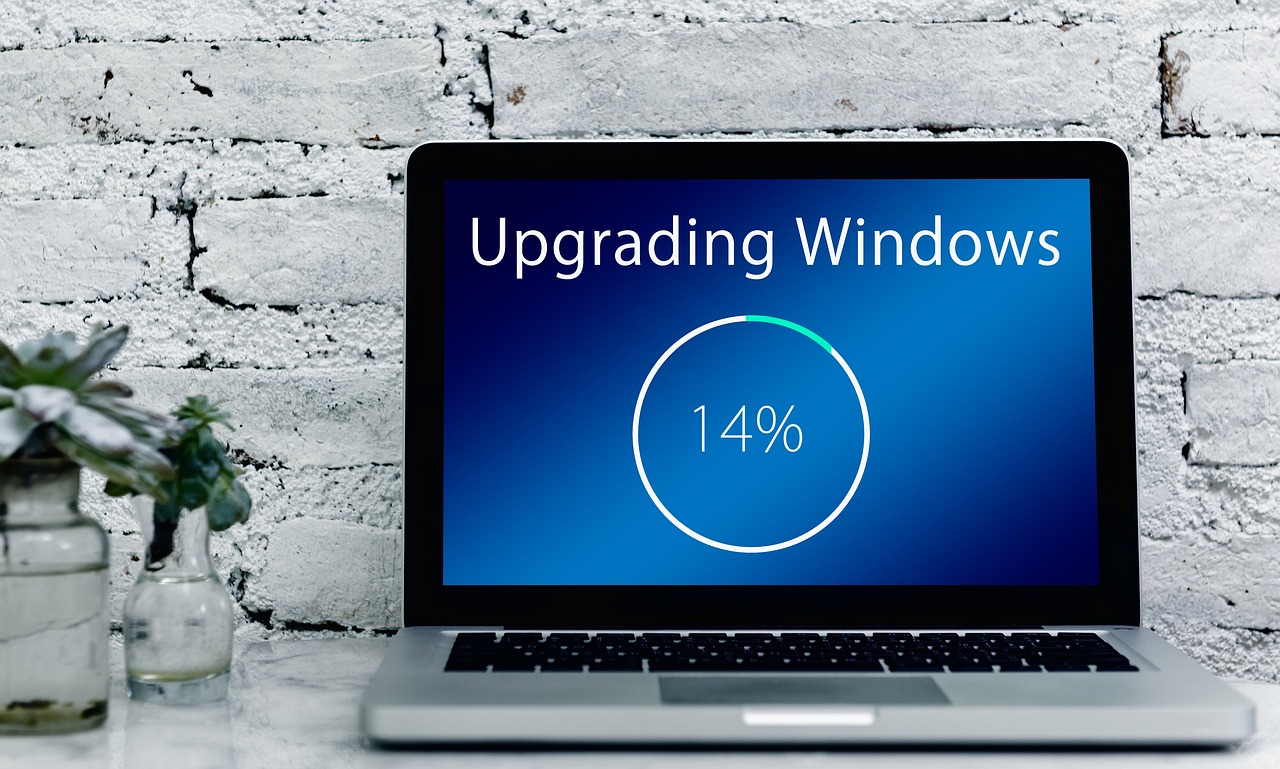
In the past, IT was often handled through one-off projects: installing software, upgrading servers, or fixing problems as they appeared. Today, the model has shifted toward ongoing services. Continuous monitoring, updates, and optimization are expected, much like routine maintenance of power lines. This service-based approach reflects the reality that IT systems are living environments, not static installations.
Remote Work Accelerated the Change
The rise of remote and hybrid work cemented IT’s role as a core utility. Employees no longer depend on a physical office for productivity—they rely on secure access, reliable connectivity, and responsive support. When IT falters, work stops instantly, regardless of location. This shift made it clear that technology is no longer just supporting the business; it is the business infrastructure.
IT services have quietly joined electricity as a non-negotiable foundation of modern work. They power communication, protect data, and enable growth without drawing attention to themselves—until they fail. Recognizing IT as a utility helps businesses prioritize reliability, security, and long-term planning over short-term fixes. In a world that never truly goes offline, the companies that treat IT like electricity are the ones best prepared to keep the lights on.