

Tag: privacy
Edge Computing vs Cloud: What’s The Better Move for Speed & Privacy
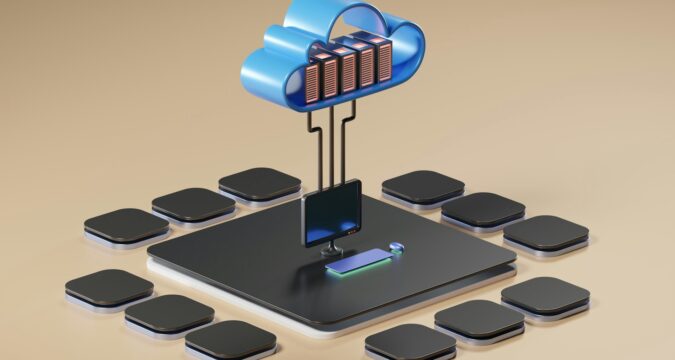
The modern tech landscape is all about speed and security. Businesses are racing to process data faster while keeping user information safe. Edge computing and cloud computing stand as two strong contenders in this race. Both have their strengths, but they operate differently. Cloud relies on centralized data centers, while edge computing processes data closer to where it’s generated. That small difference changes everything about speed, privacy, and efficiency.
How Cloud Computing Handles Data
 Cloud computing has been the foundation of digital transformation for years. It stores and manages data in remote servers, often located miles away from the user. This model allows companies to scale easily and save costs on hardware. However, the distance can be its weak spot. Data must travel back and forth between users and servers, causing slight delays. For applications like gaming, remote surgery, or real-time analytics, that lag can be a real deal-breaker.
Speed: The Deciding Factor for Modern Apps
Speed isn’t just a perk anymore, but it’s a necessity. In industries like finance, healthcare, and logistics, a few milliseconds can make a major difference. Edge computing gives an advantage by minimizing latency, while the cloud sometimes struggles with distance-induced lag. That doesn’t make the cloud obsolete, though. It still handles massive workloads like data storage and backups better than edge setups. Many companies actually blend both for an optimized, high-speed solution.
Edge Computing: Bringing the Power Closer
 Edge computing flips the traditional model on its head. Instead of sending all data to distant servers, it processes it locally—right where the action happens. This drastically cuts response times and boosts performance. Think of it as having a mini data center sitting next to your device. For example, self-driving cars rely on edge processing to make instant decisions on the road. The faster the system reacts, the safer and smoother the experience.
Privacy: Who Holds Your Data Cards?
Privacy concerns are rising faster than ever. With cloud systems, data often passes through multiple networks and servers, creating more exposure points for potential breaches. Users have to trust that the provider’s security walls are strong enough. Edge computing, by contrast, keeps more data local, reducing how much sensitive information travels across the web. This makes it harder for outsiders to intercept or misuse personal data. In short, less travel means fewer risks.
The Ideal Scenario: Combining Both Worlds
 In reality, businesses don’t have to pick a side completely. Many are using a hybrid approach. Many use edge for real-time processing and cloud for heavy storage. This mix provides the best of both without sacrificing performance or privacy. A fitness tracker, for instance, might use edge computing for instant heart-rate monitoring, while syncing detailed data to the cloud later. It’s a practical way to get speed and scalability in one setup. Balance, as always, wins.
Both edge and cloud computing have their own sweet spots. Edge wins in speed and privacy, while cloud shines in scalability and long-term storage. The smartest move is to understand your goals and blend them accordingly. Because in tech, the fastest path isn’t always the straightest one.